
FlashPoker hand review: the fold that beat the excitement to the punch
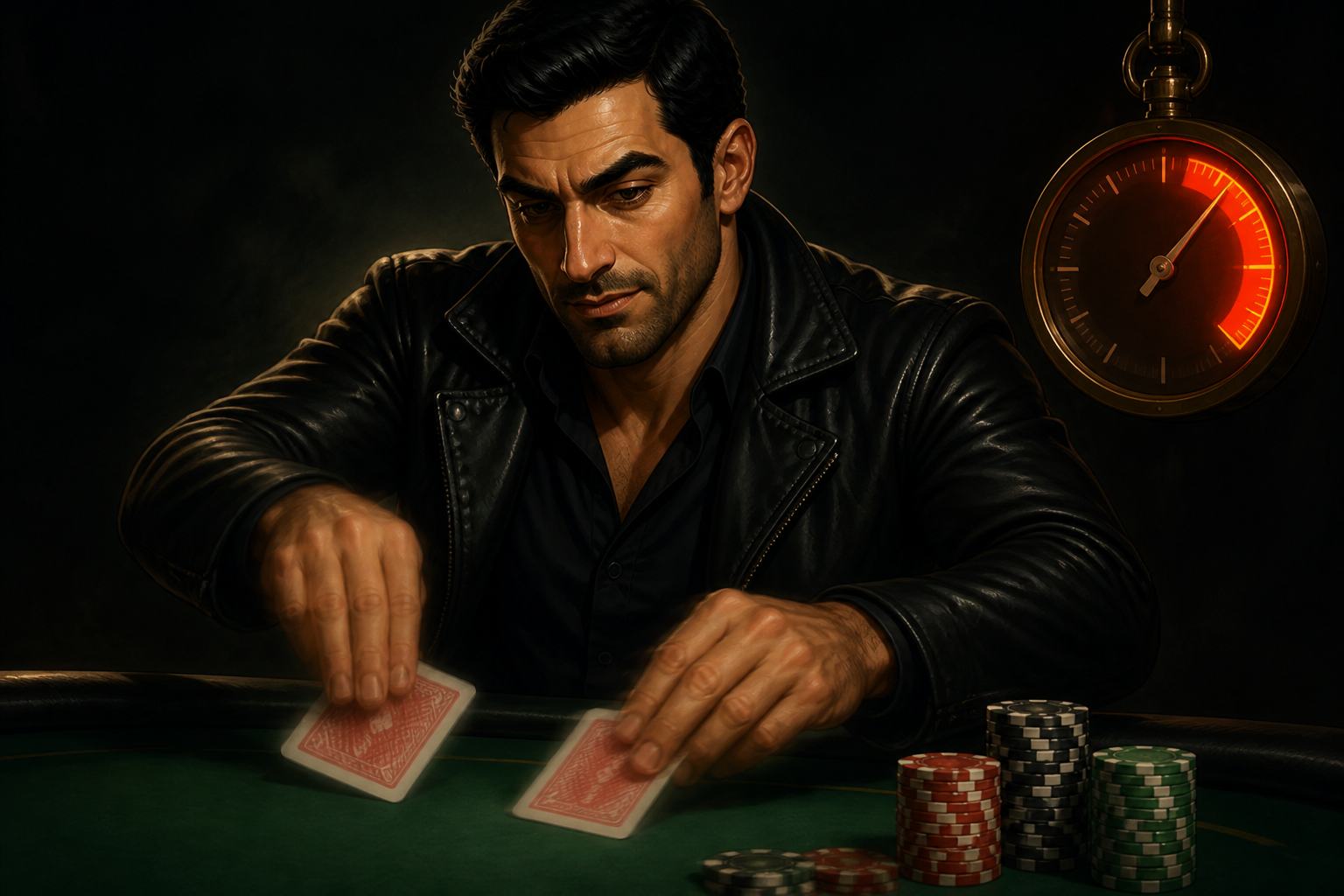
Two seconds isn't a lot of time to fold a hand that a slower part of your brain wants to call with. This one got folded anyway, and the two seconds it took were the whole story.
The setup, at speed
A hand lands that's genuinely playable — not a monster, but the kind of hand that wins its fair share of showdowns against a normal opening range. The catch: the raise facing it came from a villain who'd been passive for the last several hands, and this specific sizing didn't match anything he'd shown so far.
Why the fast fold isn't a lucky guess
The temptation in FlashPoker is to default to a standard response because there's no time to build a read — but a pattern break is still a pattern break even when it's noticed in half a second instead of thirty. The fold here wasn't based on a deep read. It was based on one simple, fast-executable rule: an unexplained deviation from someone's established pattern gets the benefit of the doubt against, not for.
What made this decision fast instead of slow
The rule was already built before the hand arrived — "unexplained deviation, fold the marginal hand" — which meant the decision at the table wasn't "should I fold," it was just "does this situation match the rule." That's the entire difference between a fast correct decision and a fast guess: the thinking happens in advance, away from the table, so the table only has to recognize the pattern, not solve it from scratch.
What happened three hands later, because it matters
The same villain showed the exact off-pattern raise again two orbits later, this time with the goods — a real hand that justified the sizing all along. The fold from before was still correct. One data point doesn't rewrite a read, and the villain being good this time doesn't mean the rule was bad last time. That's the part people get wrong reviewing fast-folded hands afterward: they judge the rule by the one outcome instead of by how often the rule wins across every time it fires.
Why I don't feel bad about hands like this anymore
Early on I used to replay fast folds obsessively, hunting for the moment I "got it wrong," because a two-second decision felt too cheap to trust. Now I just check whether the rule fired correctly, not whether the specific card ran my way. A rule that's right eight times out of ten and gets fired fast beats a read that's right nine times out of ten but takes so long to build that half the hands it should apply to have already ended by the time it's ready.
Build your rules before you sit down at FlashPoker on NUTS POKER, not during the hand that needs them. By the time you're at the table, there's no time left to build one from scratch.


