
Ledger vs Rash break down the same final table hand — differently

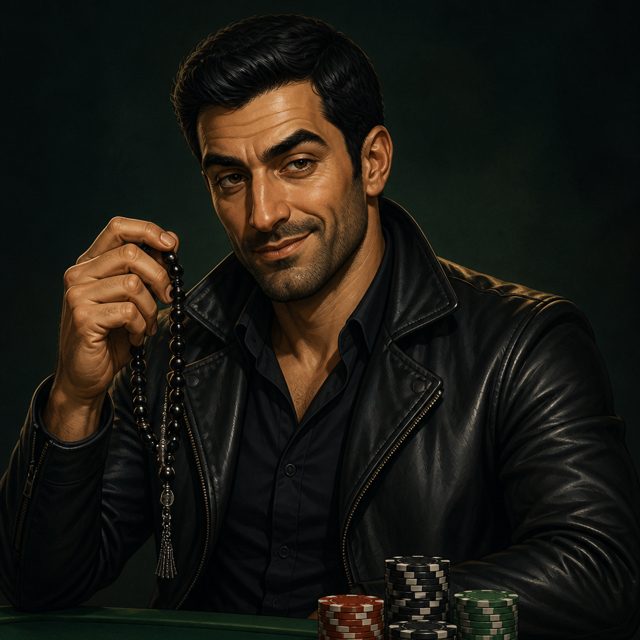

Same hand. Same stack sizes. Same fold. Vikram calls it a masterclass. Rashad calls it a missed cooler. We showed both of them the final-table hand and let them argue instead of agreeing to disagree.
The Ledger
That fold is the entire final table in one decision. Risking a huge chunk of your stack to win a small pot from a short stack, on the exact street where a pay jump is sitting above them — that's a call that loses money over a hundred repetitions, even when it wins this one.
Rash
Or it's a chip leader who got scared of a min-cash jump that isn't even theirs. The short stack is the one under pressure. Folding here just hands them oxygen for free — now they've got chips and a story about surviving the chip leader.
The Ledger
Oxygen that costs the chip leader nothing. Their stack barely moves whether they call and win, call and lose, or fold. The short stack's stack moves entirely — that asymmetry is the whole argument for the fold.
Rash
Asymmetry works until the table notices you fold every marginal spot near a pay jump. Then the short stacks start shoving into you for free, because they've done the same math you just did — out loud, apparently.
The Ledger
Getting exploited for folding correct decisions too predictably is a real leak. It's also a much smaller leak than calling off a big stack for a coin-flip pot at a final table.
Rash
Smaller leak, sure. Still a leak. I'd rather be the guy applying pressure the table has to respect than the guy the table has learned to shove into.
Watch enough final tables on NUTS POKER and you'll see both of these lines cash. The only wrong answer is picking one of them forever.


